Our History
From a small Deaf school in Ringa to a model of inclusive Christian education in Kenya.
Immanuel Integrated Christian School for the Deaf has grown from a faith-based initiative for Deaf children into one of Kenya's recognized examples of inclusive education — rooted in Christ, Kenyan Sign Language and the dignity of every child.
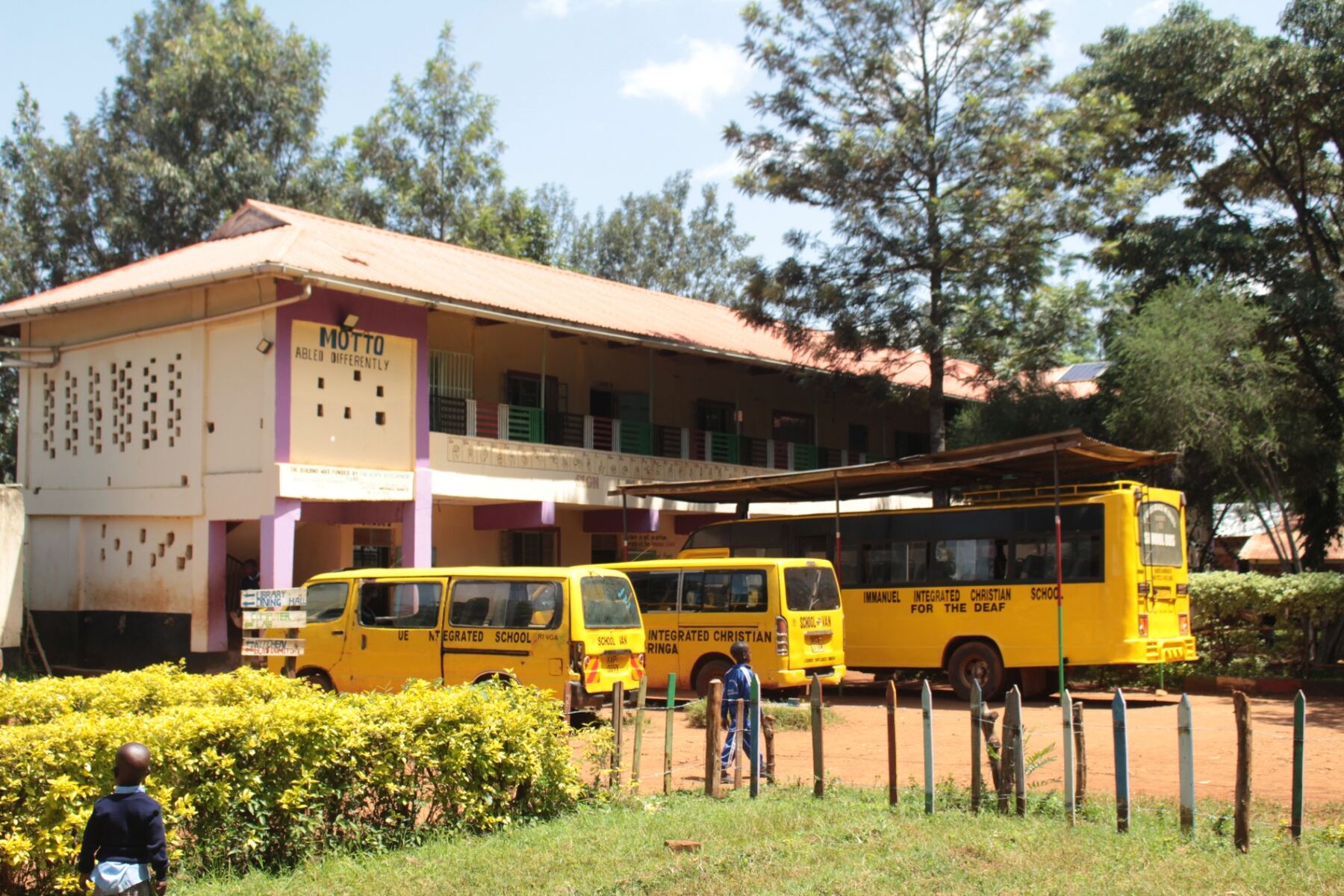
A school born from faith and compassion
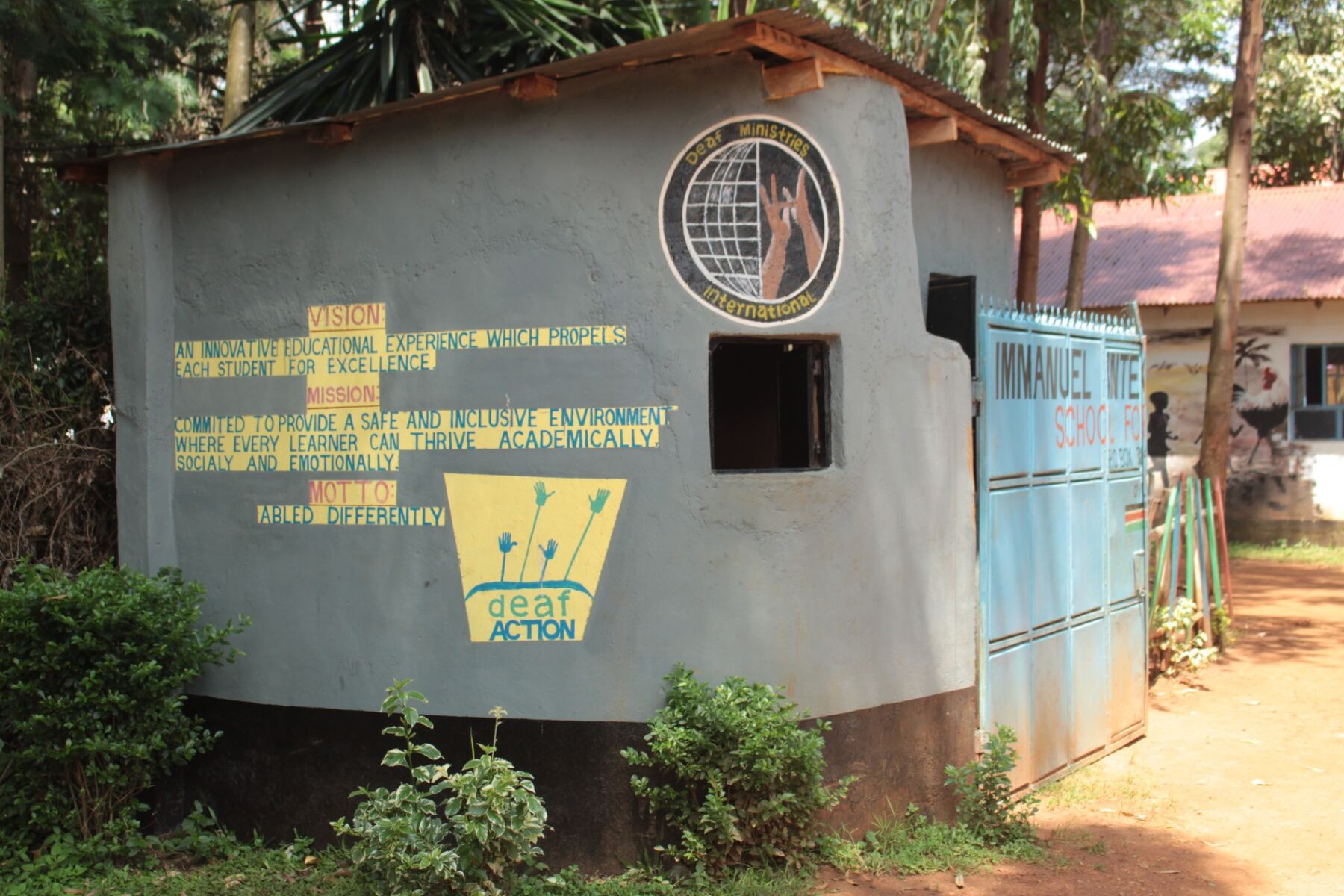
Immanuel Integrated Christian School for the Deaf is one of Kenya's notable institutions dedicated to the education and empowerment of Deaf learners. Located in Ringa, Homa Bay County in western Kenya, the school has grown from a small faith-based Deaf education initiative into a recognized model for inclusive education.
Founded in 2007 by Mr. Wesley Imbuchi Ageng'o, the school was established for Deaf children who had little or no access to formal education — at a time when many Deaf children in rural Kenya faced severe marginalization due to poverty, stigma and limited awareness about Deaf education.
Learners served since 2007
Years of Deaf education in Ringa
Christ-centered, KSL-first learning
A vision for Deaf children in rural Kenya
Mr. Wesley Imbuchi Ageng'o envisioned a school where Deaf children could thrive holistically — academically, spiritually, socially and practically. Supporting Christian ministries and community members rallied around this founding vision.
- Quality education
Strong academics rooted in CBC and Deaf pedagogy.
- Kenyan Sign Language
Learning in KSL as the language of instruction.
- Spiritual formation
Christian discipleship, moral guidance and worship.
- Vocational & life skills
Practical skills for independence and work.
- Residential care
A safe boarding home for learners from far villages.
- Community belonging
A place where every Deaf child is seen and known.
The school later became associated with Deaf Ministries International, founded by the late Rev. Neville Muir — an organization that has worked in Deaf ministry and Deaf education across Africa for several decades. This partnership supported the school's growth while Mr. Ageng'o remained its sole founder and Director.
Milestones on the road to inclusion
- 2007
Founded in Ringa
Mr. Wesley Imbuchi Ageng'o establishes Immanuel as a Christian-centered school for Deaf children with little or no access to formal education in rural Kenya.
- Early years
A Deaf-centered ministry
Under the sole founding vision of Mr. Wesley Imbuchi Ageng'o, the school grows through churches, mission partners and community supporters — including valued partnership with Deaf Ministries International.
- Growth
Classrooms, dorms and water
Partners help build modern classrooms, boarding dormitories, administrative offices and clean water systems. Enrollment expands to orphans and vulnerable rural learners.
- Recognition
Strong academic results
Graduates progress to secondary schools for the Deaf, vocational training, teacher colleges and community leadership — anchored in KSL, literacy and Christian values.
- 2021 – 2022
Transition to inclusive education
Immanuel integrates Deaf and hearing learners on the same campus — bringing hearing students into a Deaf-centered environment to preserve Deaf culture while building inclusion.
- 2022
Junior Secondary launched
Aligned with Kenya's CBC reforms, the school extends into Junior Secondary, opening a clear pathway beyond primary for Deaf learners.
- Today
A model of inclusive Christian education
A recognized centre for Deaf empowerment in western Kenya — educating Deaf and hearing learners together and inspiring other schools to embrace inclusion.
Strong results among Deaf schools in Kenya
Over time, Immanuel earned recognition for strong academic performance. Graduates have progressed to secondary schools for the Deaf, vocational training institutions, teacher training colleges, and roles of community leadership and ministry.
The school emphasizes Kenyan Sign Language (KSL), literacy development, Christian values, co-curricular activities, and agricultural and practical life skills.
Transition to inclusive education
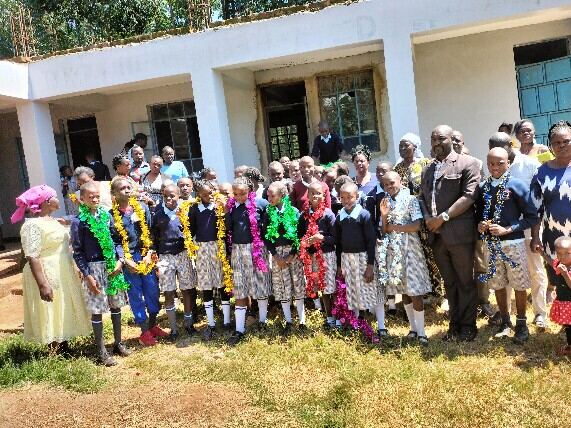
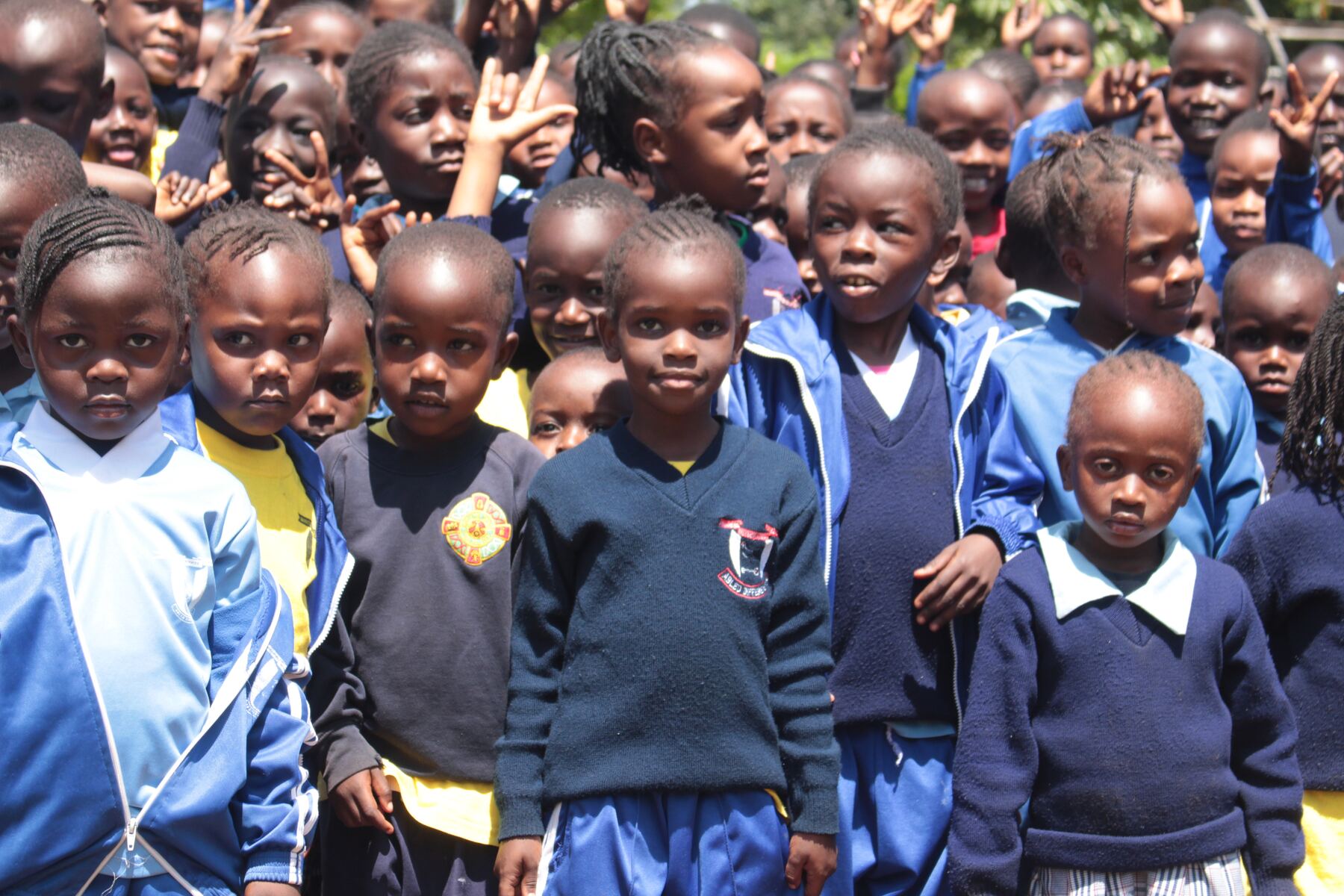
Immanuel transitioned from a strictly Deaf school into an integrated and inclusive school serving both Deaf and hearing learners together. The model is unique: instead of placing Deaf students into hearing schools, hearing students are brought into a Deaf-centered environment.
This preserves Deaf culture while promoting inclusion and mutual understanding. Hearing learners pick up sign language and share daily life with Deaf peers in classrooms, sports, meals, worship and school activities.
A pathway beyond primary
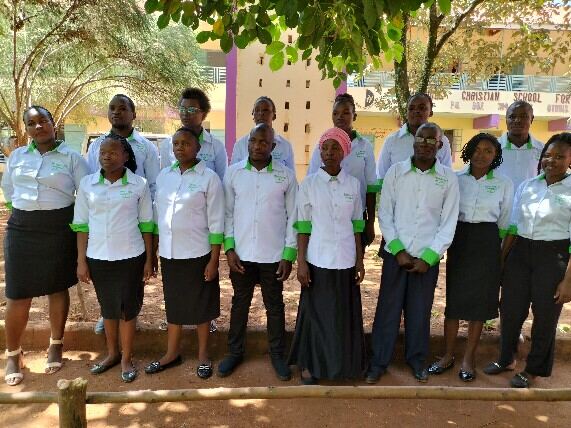
Following Kenya's CBC reforms, Immanuel expanded into Junior Secondary education — opening a clear pathway for Deaf learners who previously struggled to transition beyond primary. The expansion required additional teachers, new classrooms, curriculum restructuring and specialized instructional support for inclusive learning.
A practical example of Kenya's inclusive education movement
The school reflects principles found in key Kenyan laws and international frameworks that advocate equal access to education, non-discrimination, sign language recognition, inclusive learning environments and educational equity for learners with disabilities.
- Constitution of Kenya (2010)
- Persons with Disabilities Act
- Basic Education Act
- Ministry of Education Inclusive Education Policy
- UN Convention on the Rights of Persons with Disabilities
- Sustainable Development Goal 4
From segregation, to empowerment, to full inclusion
The history of Immanuel Integrated Christian School for the Deaf reflects the broader evolution of Deaf education in Kenya — from exclusion, to empowerment through specialized education, and now toward full inclusion and equal participation in society. Its journey shows how faith-based institutions, community partnerships and inclusive policies can transform educational opportunities for children with disabilities.